Related project requirement
Need specifications or pricing for Earth Pipe?
Share the quantity, drawing or specification and delivery location for a project-specific review.
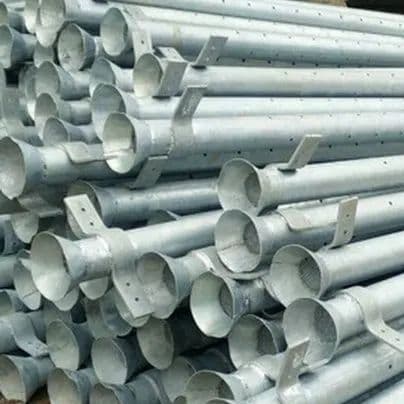
An earth electrode is the conductive part placed in contact with the ground to form an electrical connection to earth. An earth pipe is a pipe-form electrode used when the approved design specifies that construction.
The words are related but not equivalent to the entire earthing system. Conductors, clamps, bonds, inspection points, soil conditions, surge protection and test records all affect the completed arrangement.
Key points
- Earth electrode is the broader functional term
- Earth pipe describes a particular physical electrode form
- The connection above ground is part of performance and maintainability
- Required test values and methods must come from the current design and standards
What the electrode contributes
The electrode provides contact with the soil. Its material, geometry, installation depth and surroundings influence the connection, but no single component guarantees a result independent of local ground conditions.
What the earth pipe does not define
The product name alone does not define conductor size, clamp type, inspection chamber, parallel electrodes, spacing, surge-protection arrangement or acceptance criteria. Those decisions belong to the earthing design.
Connections and corrosion
Accessible joints need secure contact and protection compatible with the selected materials and environment. Dissimilar materials, moisture and aggressive soil can change long-term behaviour, so inspection and maintenance access matter.
Testing and records
Measure and document the completed installation using the method required by the project. Record the location, electrode arrangement, connections and test conditions so later inspections compare like with like.
Project checklist
- Approved earthing layout
- Electrode form, material and dimensions
- Soil and installation requirements
- Conductor and connection details
- Inspection access and identification
- Test method, acceptance criteria and record
Review the earth pipe product page for the related Principal Vinimay product configuration and enquiry path.
For wider context, continue with the ground connection product page.
Final selection rule
Use the latest approved project drawings, specifications and railway instructions as the controlling requirements. This article explains terminology and selection questions; it does not replace design approval, signalling principles or site-specific engineering.
Frequently asked questions
Is every earth electrode an earth pipe?
No. Earth electrode is a broader term; pipe is one possible physical form.
Does an earth pipe alone complete the earthing system?
No. Conductors, joints, bonds, inspection access and testing are also part of the installed arrangement.
Can an earth-resistance value be promised from the pipe alone?
No. Soil, moisture, installation geometry, connections and the complete design influence the measured result.
Related railway guides
From research to procurement
Discuss your Earth Pipe requirement
Send the applicable drawing or specification, quantity, project location and expected schedule. Our team will review the manufacturing and supply scope.
References and further reading
- Requirements of Signalling in 25 kV AC Electrified Area — Indian Railways
- Outdoor Signalling — Installation, Testing and Maintenance of Equipment — Indian Railways
- Indian Railways Signal Engineering Manual — Chapter 7: Essentials of Signalling — Indian Railways
This educational material is a general overview. Project specifications, approved drawings and the latest applicable railway standards govern actual procurement, installation and maintenance.