Related project requirement
Need specifications or pricing for Ground Connection?
Share the quantity, drawing or specification and delivery location for a project-specific review.
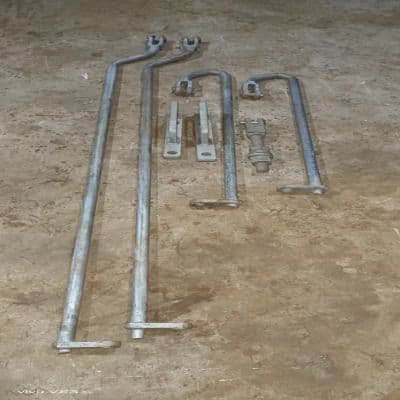
A ground connection is the physical electrical interface that joins specified equipment or metalwork to the earthing or bonding network. It can involve a terminal, conductor, clamp, lug, fastener and protected contact surface.
A reliable assembly depends on material compatibility, mechanical security and the approved electrical design. It should not be reduced to “provide one bolt for earthing.”
Key points
- Provides a deliberate, inspectable electrical connection
- Must suit the conductor and equipment interface
- Needs protection against loosening, contamination and corrosion
- Does not replace the project earthing and bonding design
Where connections are required
Connections may be specified at metallic enclosures, racks, cable protection, equipment supports or earthing electrodes. The design should identify each point and the intended conductor path.
Mechanical and electrical contact
A connection must remain mechanically secure while providing the required contact. Surface finish, paint removal where permitted, washers, lugs, fastener material and tightening method can influence the joint.
Identification and maintenance
Technicians should be able to locate, inspect and test the connection without dismantling unrelated equipment. Labels and drawings help prevent a bond from being omitted or reconnected incorrectly after maintenance.
Procurement information
State the drawing, conductor type and size, hole or stud interface, lug or clamp, material and finish, hardware scope and inspection requirement. Confirm whether the connection is supplied loose, factory-fitted or installed on site.
Project checklist
- Connection purpose and location
- Conductor and terminal interface
- Materials and surface preparation
- Fasteners and anti-loosening method
- Corrosion protection and access
- Continuity or other required checks
Review the ground connection product page for the related Principal Vinimay product configuration and enquiry path.
For wider context, continue with the earth pipe product page.
Final selection rule
Use the latest approved project drawings, specifications and railway instructions as the controlling requirements. This article explains terminology and selection questions; it does not replace design approval, signalling principles or site-specific engineering.
Frequently asked questions
Is grounding the same as bonding?
They are related but distinct design functions. Bonding joins conductive parts; grounding or earthing connects the defined system to earth.
Can paint remain under a ground connection?
The approved detail should define surface preparation and corrosion protection. Do not improvise a contact surface on safety-related equipment.
What should a ground-connection drawing show?
It should identify the location, conductor interface, hardware, materials, finish and any installation or inspection requirement.
Related railway guides
From research to procurement
Discuss your Ground Connection requirement
Send the applicable drawing or specification, quantity, project location and expected schedule. Our team will review the manufacturing and supply scope.
References and further reading
- Requirements of Signalling in 25 kV AC Electrified Area — Indian Railways
- Outdoor Signalling — Installation, Testing and Maintenance of Equipment — Indian Railways
- Indian Railways Signal Engineering Manual — Chapter 8: Drawings and Specifications — Indian Railways
This educational material is a general overview. Project specifications, approved drawings and the latest applicable railway standards govern actual procurement, installation and maintenance.