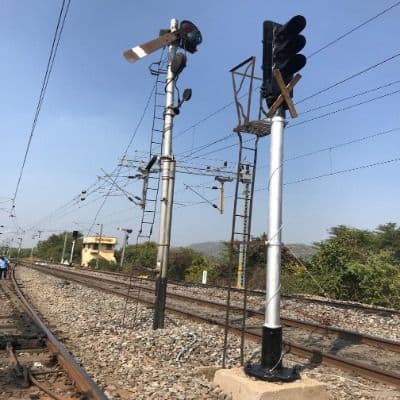
Related project requirement
Need specifications or pricing for Signal Unit Complete?
Share the quantity, drawing or specification and delivery location for a project-specific review.
A railway equipment catalogue is useful for discovering product categories, terminology and possible variants. It is not normally the controlling technical document for a project purchase.
Buyers should use catalogue information to build a shortlist, then verify every selected item against the approved drawing, specification, interfaces, accessories and inspection conditions.
Start with the equipment category
Identify whether the requirement is a signal, indicator, enclosure, junction box, rack, cable-protection item, grounding component or mechanical accessory. Avoid comparing unrelated products that share a broad railway label.
Check the variant
Size, aspect count, display arrangement, material, finish, internal layout, mounting and accessories can create distinct variants. Confirm that the catalogue entry corresponds with the project description.
Separate standard and project-specific information
A catalogue may show typical configurations. The project drawing and schedule define the required dimensions, interfaces, quantities and approved options for the actual installation.
Compare the complete supply boundary
Check included hardware, internal plates, locks, terminals, fasteners, cable entries, wiring, tests, documents, packing and installation. An apparently lower price may exclude important scope.
Create a technical comparison table
List each requirement in rows and each supplier in columns. Record compliance, deviation, evidence and clarification status before commercial evaluation.
Project checklist
- Equipment category and project use
- Required variant and material
- Drawing and specification match
- Interfaces and included accessories
- Tests, documents and packing
- Compliance, deviations and exclusions
Review the Principal Vinimay railway equipment catalogue for the relevant Principal Vinimay product and enquiry path.
Continue with the railway hardware supplier evaluation guide for related technical or procurement context.
Use current approved documents
This article is an educational and procurement-planning guide. The latest approved railway rules, drawings, specifications, quality plans and project instructions remain the controlling requirements for design, supply, installation, testing, commissioning and operation.
Frequently asked questions
Can a catalogue replace an approved drawing?
No. Use it for product discovery; the accepted drawing, specification and project schedule control the purchase.
Why compare accessories separately?
Different offers may include or exclude locks, plates, terminals, fasteners, entries, wiring, tests or documents.
What is the best comparison format?
Use a requirement-by-requirement compliance table that records evidence, deviations, exclusions and pending clarifications.
Related railway guides
From research to procurement
Discuss your Signal Unit Complete requirement
Send the applicable drawing or specification, quantity, project location and expected schedule. Our team will review the manufacturing and supply scope.
References and further reading
- Indian Railway Signal Engineering Manual — Chapter 8: Drawings and Specifications — Ministry of Railways, Government of India
- List of Signalling Specifications — Research Designs and Standards Organisation
- Indian Railways Signal Engineering Manual, Part I — Ministry of Railways, Government of India
This educational material is a general overview. Project specifications, approved drawings and the latest applicable railway standards govern actual procurement, installation and maintenance.