Related project requirement
Need specifications or pricing for Apparatus Case?
Share the quantity, drawing or specification and delivery location for a project-specific review.
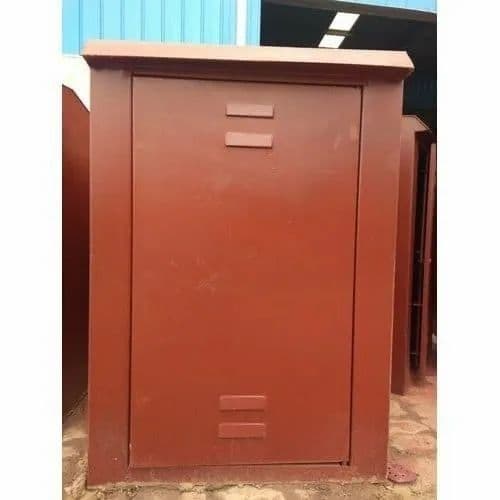
“Railway apparatus” and “signalling apparatus” are broad terms that may refer to equipment, devices or a collection of items. “Apparatus case” is more specific: it commonly describes a trackside enclosure used for signalling equipment and terminations.
Procurement teams should convert broad terminology into an itemised scope. Otherwise, suppliers may price different assumptions about enclosures, internal equipment, terminals, locks, cable entries, foundations or testing.
Distinguish apparatus from apparatus case
Apparatus can mean equipment generally, while an apparatus case is a physical enclosure. State whether the requirement is for the empty fabricated case, populated internal arrangement, loose equipment or complete installed interface.
Identify equipment categories
Possible categories include signals, route indicators, relays, racks, detection interfaces, junction boxes, cable-protection components and mechanical accessories. List each item and quantity.
Define supply boundaries
For every item, state included mounting, terminals, locks, internal plates, fasteners, cable-entry parts, wiring, tests and documents. Separate factory supply from site installation and commissioning.
Use drawings and schedules
Reference the controlled product drawing, equipment schedule, terminal plan, cable schedule and installation interface as applicable. A photograph can assist identification but cannot define every requirement.
Request a compliance statement
Ask the supplier to confirm each requirement and list deviations, exclusions and assumptions. This makes technical comparison more reliable than comparing total prices alone.
Project checklist
- Exact term and intended function
- Itemised equipment and quantities
- Empty, populated or installed supply boundary
- Drawings, schedules and interfaces
- Accessories, tests and documents
- Deviations, exclusions and assumptions
Review the railway apparatus case product page for the relevant Principal Vinimay product and enquiry path.
Continue with the railway apparatus-case guide for related technical or procurement context.
Use current approved documents
This article is an educational and procurement-planning guide. The latest approved railway rules, drawings, specifications, quality plans and project instructions remain the controlling requirements for design, supply, installation, testing, commissioning and operation.
Frequently asked questions
Is railway apparatus the same as an apparatus case?
No. Apparatus is a broad equipment term; an apparatus case is a defined physical enclosure used in signalling installations.
Can an apparatus case be ordered empty or populated?
Project scopes differ. State explicitly whether internal plates, terminals, equipment, wiring, locks and cable-entry accessories are included.
Why request a compliance statement?
It exposes deviations, exclusions and assumptions so technical offers can be compared against the same requirement.
Related railway guides
From research to procurement
Discuss your Apparatus Case requirement
Send the applicable drawing or specification, quantity, project location and expected schedule. Our team will review the manufacturing and supply scope.
References and further reading
- Indian Railways Signal Engineering Manual, Part I — Ministry of Railways, Government of India
- Indian Railway Signal Engineering Manual — Chapter 8: Drawings and Specifications — Ministry of Railways, Government of India
- Outdoor Signalling — Installation, Testing and Maintenance of Equipment — Ministry of Railways, Government of India
This educational material is a general overview. Project specifications, approved drawings and the latest applicable railway standards govern actual procurement, installation and maintenance.