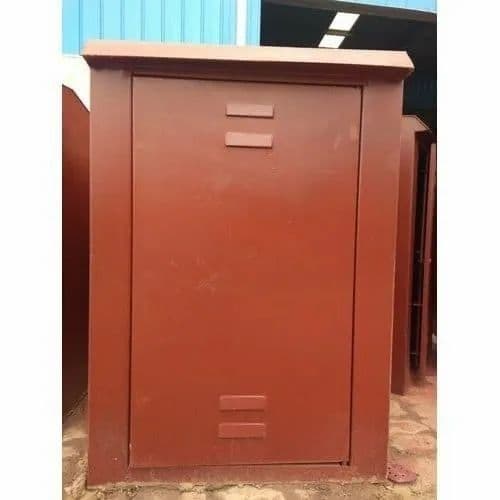
Related project requirement
Need specifications or pricing for Apparatus Case?
Share the quantity, drawing or specification and delivery location for a project-specific review.
A supplier may manufacture equipment directly, source it from an approved manufacturer or combine products and services from several parties. None of these models is automatically better; the important point is to know who controls each technical and quality responsibility.
For railway equipment, buyers should verify the actual manufacturing location, document flow, inspection access, traceability, warranty route and authority to resolve technical questions.
Identify the actual manufacturer
Ask who performs fabrication, machining, assembly, finishing and testing. Confirm whether any formal approval or nominated-source requirement applies to that manufacturer and product.
Map technical responsibility
State who reviews drawings, answers clarifications, controls revisions and obtains approval for deviations. Commercial communication should not bypass the authorised technical process.
Map quality and inspection responsibility
Define who prepares the quality plan, maintains material and process records, raises inspection calls, controls nonconformities and provides release documents.
Check traceability and warranty
Equipment identity, certificates and inspection records should trace to the supplied item where required. The contract should state who manages defects, replacements and corrective evidence.
Compare total delivery responsibility
Include packing, logistics, site coordination, documentation and replacement lead times. A supplier integrating several manufacturers needs a clear interface and document-control plan.
Project checklist
- Contractual supplier and actual manufacturer
- Formal eligibility or approval requirements
- Drawing and deviation authority
- Quality records and inspection access
- Traceability, warranty and defects route
- Packing, logistics and document integration
Review the railway signalling and mechanical product range for the relevant Principal Vinimay product and enquiry path.
Continue with the supplier evaluation checklist for related technical or procurement context.
Use current approved documents
This article is an educational and procurement-planning guide. The latest approved railway rules, drawings, specifications, quality plans and project instructions remain the controlling requirements for design, supply, installation, testing, commissioning and operation.
Frequently asked questions
Is a supplier always the manufacturer?
No. A supplier may manufacture, source or integrate equipment. Ask for the actual manufacturing and responsibility chain.
Can inspection be arranged at a different manufacturer?
That depends on the purchase and inspection requirements. Define the inspection location and access before ordering.
Who should approve a technical deviation?
The authority defined by the railway or project process—not the commercial supplier acting alone.
Related railway guides
From research to procurement
Discuss your Apparatus Case requirement
Send the applicable drawing or specification, quantity, project location and expected schedule. Our team will review the manufacturing and supply scope.
References and further reading
- Indian Railways Signal Engineering Manual, Part I — Ministry of Railways, Government of India
- Indian Railway Signal Engineering Manual — Chapter 8: Drawings and Specifications — Ministry of Railways, Government of India
- List of Signalling Specifications — Research Designs and Standards Organisation
This educational material is a general overview. Project specifications, approved drawings and the latest applicable railway standards govern actual procurement, installation and maintenance.