Related project requirement
Need specifications or pricing for Apparatus Case?
Share the quantity, drawing or specification and delivery location for a project-specific review.
Cable entry is an interface between the external route and the enclosure interior. Poor planning can create tight bends, crossing cables, blocked terminals, difficult sealing or a layout that cannot be installed as drawn.
A useful entry plan identifies every cable, its route direction, outside diameter, termination destination and required protection. It also distinguishes confirmed project inputs from assumptions that still need approval.
Build the cable schedule first
List cable identification, type, outside diameter, conductor count, origin, destination and entry direction. Use actual project data rather than relying on nominal descriptions alone.
Coordinate route and enclosure geometry
Compare trench, duct or pipe approach with the base and internal mounting layout. Entries should not conflict with foundations, structural members, shelves or equipment.
Allow for bends and support
Check the permitted cable bend, pulling direction, support and strain relief. The path from entry to termination should avoid sharp edges and unnecessary crossing.
Define sealing and unused openings
Specify approved glands, bushes, sleeves or sealing arrangements and how unused openings will be closed. The solution must suit the cable and enclosure design while preserving authorised access.
Inspect before dispatch and installation
Confirm entry count, diameter, position, edge finish and identification against the controlled drawing. Recheck route alignment at site before final fixing and cable pulling.
Project checklist
- Cable IDs and outside diameters
- Route and direction of approach
- Entry coordinates and opening sizes
- Bend, support and strain relief
- Sealing and unused-entry treatment
- Terminal accessibility and inspection
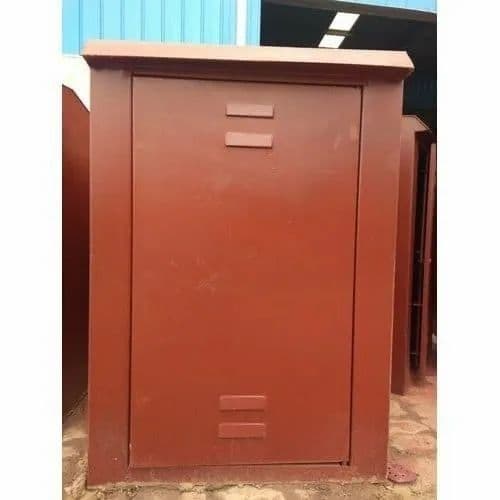
Review the apparatus case product page for the relevant Principal Vinimay product and enquiry path.
Continue with the railway cable-protection guide for related technical or procurement context.
Use the approved project documents
This guide is a planning and procurement aid. The latest approved railway rules, drawings, specifications, quality plans and project instructions remain the controlling requirements for design, manufacture, installation, testing and acceptance.
Frequently asked questions
Why is cable outside diameter needed?
It helps define suitable entry hardware and checks whether the planned openings and internal route can accommodate the actual cable.
Should spare cable entries be added automatically?
Only when they are part of the approved design. Their size, position and closure method should be defined.
When should entry positions be inspected?
Check them against the controlled drawing before dispatch and again against the actual route interface before cable installation.
Related railway guides
From research to procurement
Discuss your Apparatus Case requirement
Send the applicable drawing or specification, quantity, project location and expected schedule. Our team will review the manufacturing and supply scope.
References and further reading
- Indian Railways Signal Engineering Manual — Chapter 15: Cables — Indian Railways
- Handbook on Indian Railway Standard Drawings and Specifications for Signalling — Indian Railways / CAMTECH
- Outdoor Signalling — Installation, Testing and Maintenance of Equipment — Indian Railways
This educational material is a general overview. Project specifications, approved drawings and the latest applicable railway standards govern actual procurement, installation and maintenance.