Related project requirement
Need specifications or pricing for Apparatus Case?
Share the quantity, drawing or specification and delivery location for a project-specific review.
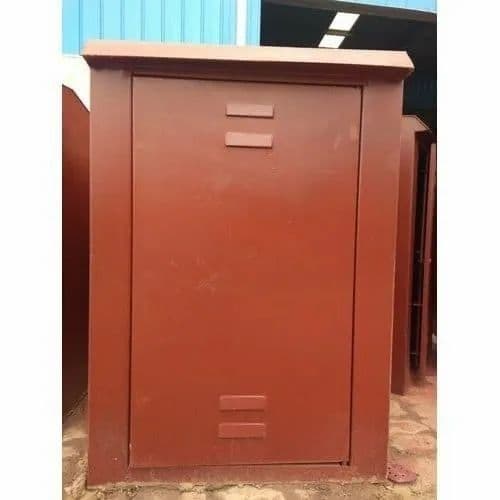
Full and half location boxes are convenient project terms for trackside enclosures of different capacities. The description helps teams discuss space, but it does not replace the applicable standard drawing, internal layout or bill of materials.
Selection should begin with the equipment and termination requirement. A larger enclosure is not automatically better: cable entry, mounting, access, heat, segregation and maintainability must work together at the approved location.
Usable space and internal layout
A full-size arrangement generally provides more usable internal volume and mounting area. A half-size arrangement may suit a smaller equipment or termination scope. Compare the actual mounting plate, shelves, clearances and cable zones shown on the controlled drawing.
Cable entry and termination capacity
Count incoming and outgoing cables, conductor terminations, glands or sleeves, bend space and spare capacity. A nominal enclosure size cannot confirm whether the planned cable schedule will fit without crowding.
Foundation and site interface
Check the base, support, fixing pattern, installed height and surrounding clearance. Existing foundations should be measured and verified rather than assumed to suit a replacement enclosure.
Maintenance access
Doors, locks and removable parts need operating clearance. Components should remain identifiable and serviceable without unsafe reaching or unnecessary disturbance of adjacent wiring.
Information to include in the enquiry
Provide the drawing number and revision, equipment list, terminal schedule, cable-entry plan, material and finish, lock type, mounting details, quantity and inspection requirements. Ask suppliers to state deviations explicitly.
Project checklist
- Controlled drawing and revision
- Equipment and terminal schedule
- Cable quantity, size and entry direction
- Foundation and fixing interface
- Door, lock and maintenance clearance
- Material, finish and inspection scope
Review the railway apparatus case product page for the relevant Principal Vinimay product and enquiry path.
Continue with the railway location-box guide for related technical or procurement context.
Use the approved project documents
This guide is a planning and procurement aid. The latest approved railway rules, drawings, specifications, quality plans and project instructions remain the controlling requirements for design, manufacture, installation, testing and acceptance.
Frequently asked questions
Is a half location box exactly half the capacity of a full box?
Not necessarily. Names and dimensions must be confirmed from the applicable drawing; usable capacity also depends on the internal arrangement and cable entries.
Can enclosure size be selected only from the number of relays?
No. Terminations, mounting hardware, cable bends, segregation, access and spare requirements also affect selection.
What should accompany a location-box RFQ?
Include the controlled drawing, internal equipment and terminal schedule, cable-entry information, mounting interface, finish, accessories and inspection requirements.
Related railway guides
From research to procurement
Discuss your Apparatus Case requirement
Send the applicable drawing or specification, quantity, project location and expected schedule. Our team will review the manufacturing and supply scope.
References and further reading
- Signal Engineering Manual, Volume I — Indian Railways
- Handbook on Indian Railway Standard Drawings and Specifications for Signalling — Indian Railways / CAMTECH
- Outdoor Signalling — Installation, Testing and Maintenance of Equipment — Indian Railways
This educational material is a general overview. Project specifications, approved drawings and the latest applicable railway standards govern actual procurement, installation and maintenance.