Related project requirement
Need specifications or pricing for CLS Unit Metallic/FRP?
Share the quantity, drawing or specification and delivery location for a project-specific review.
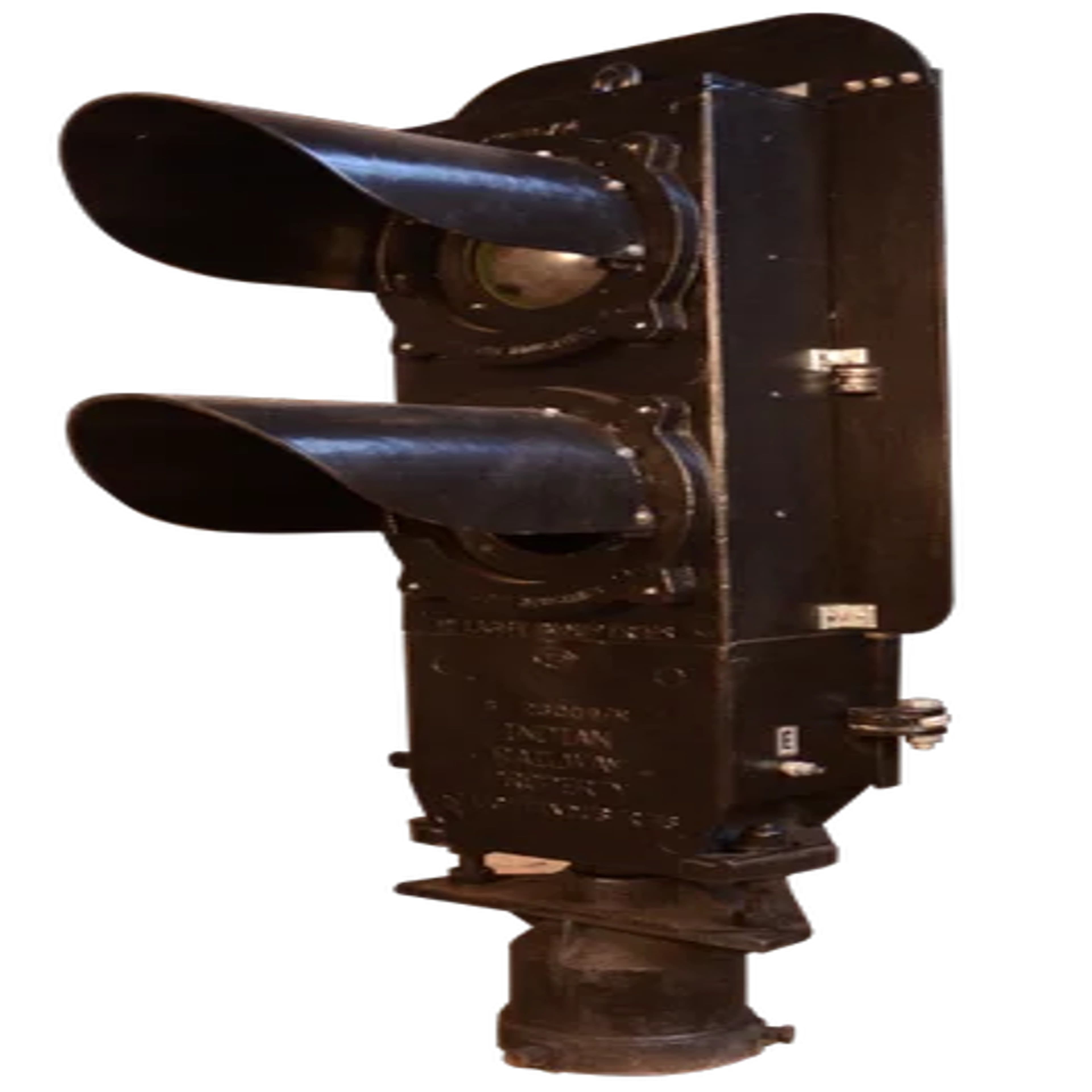
CLS stands for Colour Light Signal in railway signalling. A CLS displays illuminated colours or combinations of lights whose aspects convey the indications defined by the applicable railway rules and approved signalling system.
The abbreviation can also appear in product descriptions such as CLS unit, CLS housing or complete signal. Those terms may describe different supply boundaries, so the project documents must say exactly what is included.
Aspect, indication and signal unit
The aspect is the visual appearance presented by the signal. The indication is the information that aspect conveys under the rules. A signal unit is physical equipment used to produce part of the approved display.
Two-, three- and four-aspect arrangements
Colour-light signalling can be arranged with two, three or four aspects according to the approved territory and design. The number of aspects affects the information sequence, but the complete system cannot be defined by counting housing openings alone.
What a CLS assembly can include
Depending on the enquiry, the scope may include metallic or non-metallic housings, LED or optical units, hoods, background screens, posts, brackets, doors, locks, terminals, wiring, fasteners and identification.
Metallic and FRP housings
Housing material is selected against the applicable specification, drawing and site requirement. RDSO specifications for non-metallic housings define requirements that should not be inferred from generic FRP fabrication practice.
Information needed for procurement
State the signal type and aspect configuration, applicable specification and drawing, housing material, optical-unit scope, mounting, cable and terminal interfaces, electrified-area requirements, tests, inspection and quantity.
Project checklist
- Signal function and aspect configuration
- Applicable specification and controlled drawing
- Metallic or non-metallic housing
- LED or optical-unit supply boundary
- Post, bracket, hood and background interfaces
- Testing, inspection and documentation
Review the CLS unit product page for the related Principal Vinimay catalogue item and enquiry path.
Continue with the railway signal aspects and CLS guide for supporting context.
Use the approved project documents
This article explains terminology, interfaces and procurement questions. The latest approved railway rules, drawings, specifications and project instructions remain the controlling requirements for design, installation, testing and operation.
Frequently asked questions
What is the full form of CLS in railway?
CLS commonly means Colour Light Signal in the railway-signalling context.
Is a CLS unit a complete railway signal?
Not necessarily. A unit or housing may be only one part of the complete signal assembly, so the enquiry must define the supply boundary.
What is the difference between an aspect and an indication?
The aspect is what the signal visibly displays; the indication is the information that display conveys under the applicable rules.
What is CLS ka full form in railway?
In the railway-signalling context, CLS stands for Colour Light Signal.
Related railway guides
From research to procurement
Discuss your CLS Unit Metallic/FRP requirement
Send the applicable drawing or specification, quantity, project location and expected schedule. Our team will review the manufacturing and supply scope.
References and further reading
- Chapter III — Signals — South Western Railway
- Colour Light Signals — North Eastern Railway
- RDSO/SPN/194/2006 Rev. 2.0 — Non-Metallic Colour Light Signal Housings — RDSO
This educational material is a general overview. Project specifications, approved drawings and the latest applicable railway standards govern actual procurement, installation and maintenance.