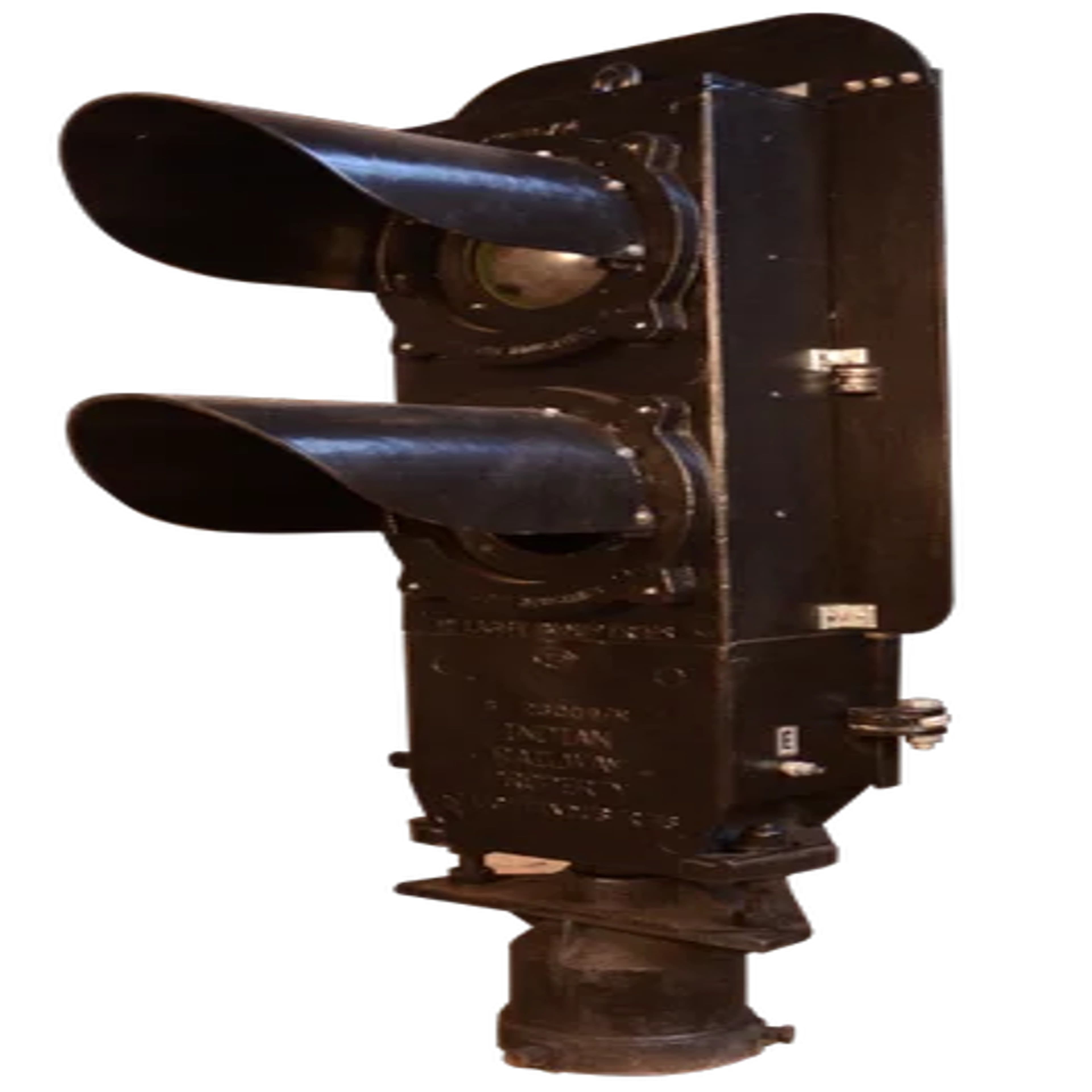
Related project requirement
Need specifications or pricing for CLS Unit Metallic/FRP?
Share the quantity, drawing or specification and delivery location for a project-specific review.
Railway signalling is the organised system used to regulate train movements and communicate authorised indications under defined operating rules. It supports safe separation, route protection and controlled movement through stations and block sections.
The subject includes much more than signal colours. Track detection, points, interlocking, block working, power, communication, cables, equipment rooms and operating procedures all contribute to the complete arrangement.
Movement authority and separation
Signals and operating rules communicate whether and how a movement may proceed. The applicable rules, territory and approved signalling arrangement determine the meaning of each indication.
Routes, points and conflicts
A route passes over a defined path through points and crossings. Interlocking prevents incompatible movements from being authorised together and checks required conditions before a signal clears.
Detection and field status
Approved detection systems indicate whether defined track sections are occupied. Point detection, signal proving and other status inputs allow the control system to evaluate field conditions.
Physical equipment
Signals, route indicators, junction boxes, apparatus cases, racks, cables, power equipment and mechanical accessories implement the approved design. Every interface has to correspond with the controlling drawings.
Why basic explanations need boundaries
Introductory material can explain principles but cannot replace current operating rules, authorised training, project designs or maintenance instructions. Safety-critical work requires the applicable approved documents and competent personnel.
Project checklist
- Operating rules and territory
- Signalling plan and route requirements
- Track and point detection
- Interlocking and control
- Signals, power, cables and equipment
- Authorised testing and operating procedures
Review the colour light signal units for the relevant Principal Vinimay product and enquiry path.
Continue with the comparison of railway signalling aspects for related technical or procurement context.
Use current approved documents
This article is an educational and procurement-planning guide. The latest approved railway rules, drawings, specifications, quality plans and project instructions remain the controlling requirements for design, supply, installation, testing, commissioning and operation.
Frequently asked questions
What is the main purpose of railway signalling?
It regulates and protects train movements using approved rules, designs, equipment and procedures.
Does railway signalling only mean signal lights?
No. It also includes detection, points, interlocking, block working, power, cables, control equipment and operating processes.
Can an introductory guide be used for installation work?
No. Installation and safety-critical work must follow current approved drawings, specifications, instructions and authorised procedures.
Related railway guides
From research to procurement
Discuss your CLS Unit Metallic/FRP requirement
Send the applicable drawing or specification, quantity, project location and expected schedule. Our team will review the manufacturing and supply scope.
References and further reading
- Indian Railways Signal Engineering Manual, Part I — Ministry of Railways, Government of India
- Indian Railway Signal Engineering Manual — Chapter 7: Essentials of Signalling — Ministry of Railways, Government of India
- IRISET Signalling Lecture Slides — Indian Railways Institute of Signal Engineering and Telecommunications
This educational material is a general overview. Project specifications, approved drawings and the latest applicable railway standards govern actual procurement, installation and maintenance.