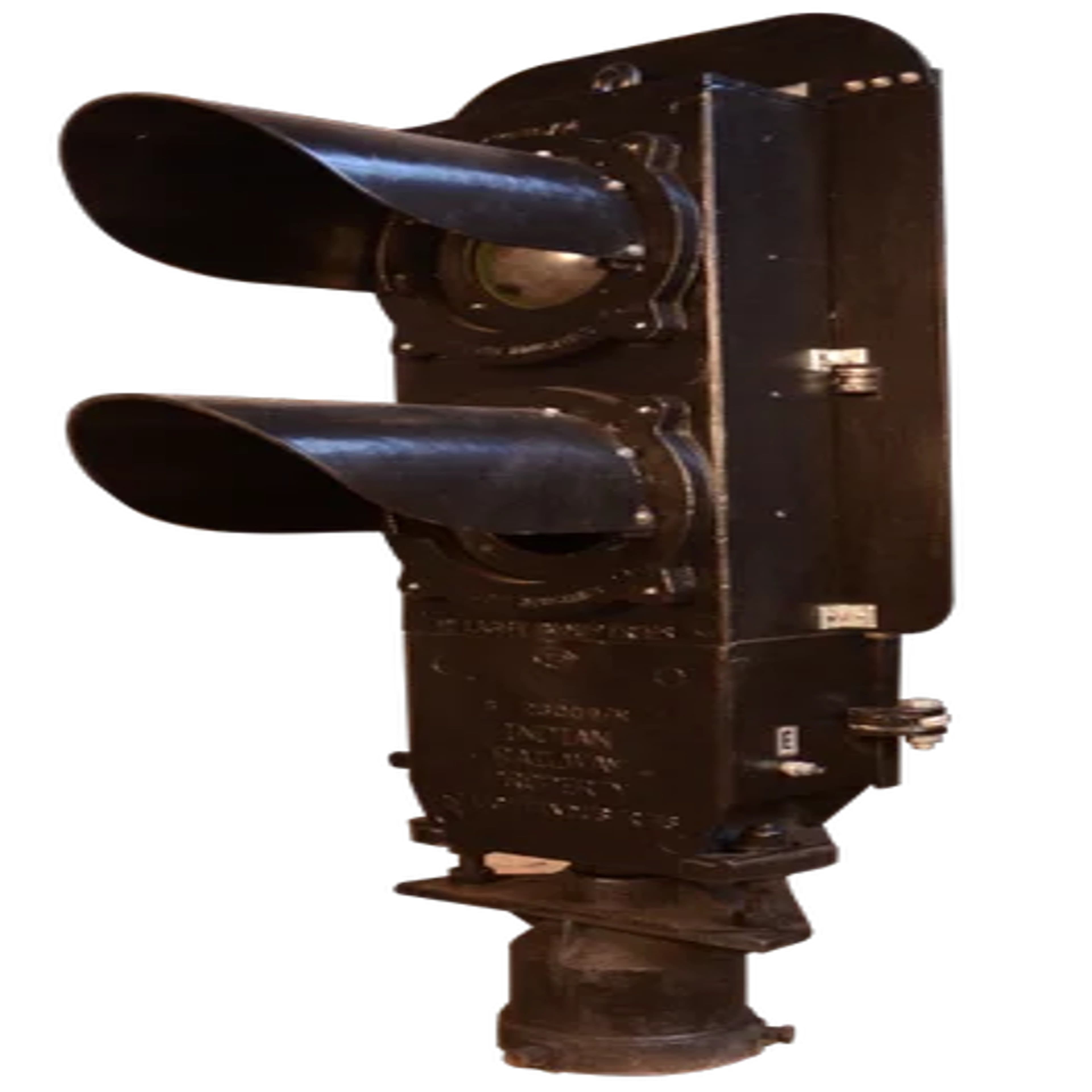
Related project requirement
Need specifications or pricing for CLS Unit Metallic/FRP?
Share the quantity, drawing or specification and delivery location for a project-specific review.
Colour-light signal housings may be supplied in metallic or fibre-reinforced polymer configurations when the approved specification permits. Material changes weight, corrosion behaviour, fabrication, impact response, fastening and inspection—but it does not change the safety function of the signal display.
A fair comparison starts with common functional and dimensional requirements. The selected housing must accept the specified optical equipment, mount correctly and withstand the required environmental and mechanical tests.
Key points
- Material is one design variable, not proof of compliance
- FRP specifications include physical, chemical and mechanical tests
- Metallic housings need suitable corrosion protection and fabrication control
- Fitment, sealing and mounting must be checked as a complete assembly
FRP housing considerations
FRP can reduce weight and avoid some forms of metallic corrosion. The material system, laminate quality, ageing, water absorption, flammability, impact and wind resistance must meet the applicable specification rather than a generic “FRP” description.
Metallic housing considerations
Metallic construction can provide familiar fabrication and repair characteristics. Material grade, thickness, weld quality, drainage, finish and corrosion protection should be defined and inspected.
Common requirements
Both alternatives need correct dimensions, mounting holes, internal fitment, access, sealing, identification and resistance to service loads. Redundant openings or poor joints can create water-ingress paths regardless of material.
How to compare quotations
Compare both offers line by line against the same drawing and inspection plan. Record exclusions for LED units, lenses, hoods, background screens, fasteners, mounting hardware and test certificates.
Project checklist
- Applicable specification and drawing
- Housing material and construction
- Optical-equipment fitment
- Mounting and wind-load interface
- Sealing and drainage details
- Type, acceptance and routine test evidence
Review the metallic and FRP CLS units product page for the related Principal Vinimay product configuration and enquiry path.
For wider context, continue with the railway signal aspects and CLS guide.
Final selection rule
Use the latest approved project drawings, specifications and railway instructions as the controlling requirements. This article explains terminology and selection questions; it does not replace design approval, signalling principles or site-specific engineering.
Frequently asked questions
Is FRP automatically better than metal for a CLS housing?
No. Suitability depends on the approved specification, complete assembly, tests, environment and project requirements.
What does RDSO/SPN/194 cover?
It specifies requirements and tests for non-metallic colour-light signal housings of several types. Use the current applicable revision.
Should quotations include the LED signal unit?
The enquiry must state the supply boundary. Housing and optical equipment can have separate specifications and inspection requirements.
Related railway guides
From research to procurement
Discuss your CLS Unit Metallic/FRP requirement
Send the applicable drawing or specification, quantity, project location and expected schedule. Our team will review the manufacturing and supply scope.
References and further reading
- RDSO/SPN/194/2006 Rev. 2.0 — Non-Metallic Colour Light Signal Housings — RDSO
- Outdoor Signalling — Installation, Testing and Maintenance of Equipment — Indian Railways
- Indian Railways Signal Engineering Manual — Chapter 8: Drawings and Specifications — Indian Railways
This educational material is a general overview. Project specifications, approved drawings and the latest applicable railway standards govern actual procurement, installation and maintenance.