Related project requirement
Need specifications or pricing for Apparatus Case?
Share the quantity, drawing or specification and delivery location for a project-specific review.
Railway mechanical equipment is a broad search term that can refer to rolling-stock, infrastructure or signalling-related hardware. Within signalling projects, fabricated mechanical components provide enclosure, mounting, protection, alignment and access functions.
These parts may not perform signalling logic, but their geometry and condition can determine whether approved electrical or optical equipment can be installed and maintained correctly.
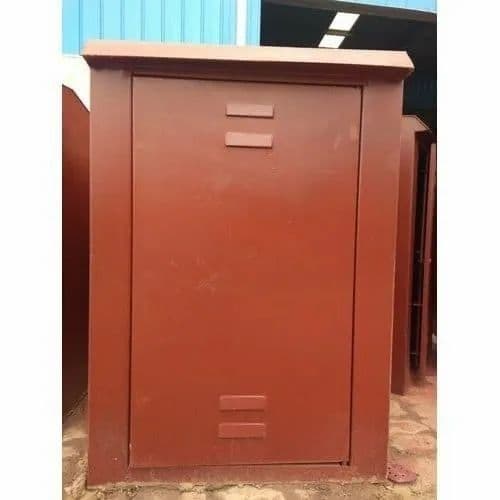
Enclosures and racks
Apparatus cases, junction boxes and equipment racks combine sheet-metal or structural fabrication with doors, plates, supports, cable interfaces and finishes. Internal clearances and mounting coordinates are functional requirements.
Brackets, pins and locking hardware
Offset brackets, channel pins and locks connect or secure defined parts of an installation. Mating dimensions, orientation, material and movement clearances should be verified against the drawing.
Cable-route hardware
Pipes, troughs, couplers and supports protect and guide cables. Their mechanical interfaces affect pulling, bending, drainage, sealing and maintenance access.
Manufacturing controls
Material identification, cutting, forming, welding or joining, machining, drilling, finishing and assembly should follow controlled process and inspection plans appropriate to the item.
Procurement classification
Use the project part name and drawing rather than relying on a broad category such as “railway mechanical.” State whether fasteners, locks, internal plates, supports, finish and packing are included.
Project checklist
- Exact part and drawing reference
- Material and process requirements
- Mating dimensions and tolerances
- Accessories and fasteners
- Finish and environmental exposure
- Inspection, marking and packing
Review the Principal Vinimay railway mechanical products for the relevant Principal Vinimay product and enquiry path.
Continue with the material certificate guide for fabricated railway products for related technical or procurement context.
Use current approved documents
This article is an educational and procurement-planning guide. The latest approved railway rules, drawings, specifications, quality plans and project instructions remain the controlling requirements for design, supply, installation, testing, commissioning and operation.
Frequently asked questions
Does railway mechanical equipment include signalling hardware?
The term is broad. Some fabricated enclosures, racks, brackets, locks and supports are mechanical components used within signalling installations.
Why are tolerances important for a bracket or pin?
The part must fit its mating interfaces and preserve the position, movement or clearance defined by the approved drawing.
What should a mechanical-item RFQ include?
Include the part and drawing, material, dimensions, tolerances, process, finish, accessories, inspection, marking, packing and quantity.
Related railway guides
From research to procurement
Discuss your Apparatus Case requirement
Send the applicable drawing or specification, quantity, project location and expected schedule. Our team will review the manufacturing and supply scope.
References and further reading
- Indian Railway Signal Engineering Manual — Chapter 8: Drawings and Specifications — Ministry of Railways, Government of India
- Outdoor Signalling — Installation, Testing and Maintenance of Equipment — Ministry of Railways, Government of India
- List of Signalling Specifications — Research Designs and Standards Organisation
This educational material is a general overview. Project specifications, approved drawings and the latest applicable railway standards govern actual procurement, installation and maintenance.