Related project requirement
Need specifications or pricing for Indoor Wiring Racks?
Share the quantity, drawing or specification and delivery location for a project-specific review.
Railway equipment manufacturing begins before material is cut. Contract review has to identify the accepted scope, controlled drawings, specifications, interfaces, inspection requirements, documentation and delivery conditions.
A disciplined workflow keeps those inputs connected through planning, purchasing, fabrication, assembly, inspection and dispatch. It also makes changes and nonconformities visible instead of allowing informal shop-floor decisions.
Contract and technical review
Confirm the product, quantity, drawing revisions, specifications, amendments, approved deviations, inspection authority, documents, marking, packing and delivery schedule. Record unanswered technical questions.
Planning and material control
Prepare a manufacturing and inspection plan, identify hold points and procure material to the required grade and dimensions. Maintain traceability where required by the purchase specification.
Fabrication and assembly
Issue current information to production, control cutting, forming, welding or joining, machining, drilling, finishing and assembly, and protect critical interfaces during handling.
Inspection and nonconformity
Check dimensions, workmanship, accessories, finish, identification and records at the planned stages. Segregate nonconforming items and obtain authorised disposition rather than making undocumented repairs or substitutions.
Documentation and dispatch
Compile the required inspection release, certificates, test records, deviation approvals, packing list and identification. Pack equipment to protect finishes, openings and projecting interfaces during storage and transport.
Project checklist
- Accepted scope and document register
- Manufacturing and inspection plan
- Material and outsourced-process controls
- In-process and final inspection records
- Approved treatment of deviations
- Release documents, marking and packing
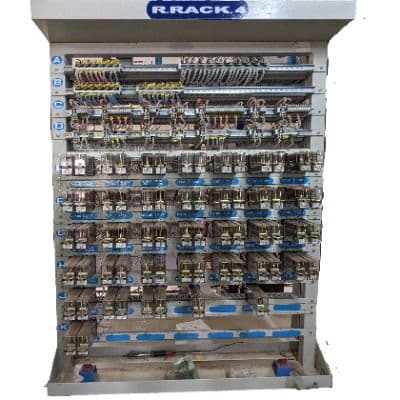
Review the fabricated indoor railway racks for the relevant Principal Vinimay product and enquiry path.
Continue with the dimensional inspection guide for related technical or procurement context.
Use current approved documents
This article is an educational and procurement-planning guide. The latest approved railway rules, drawings, specifications, quality plans and project instructions remain the controlling requirements for design, supply, installation, testing, commissioning and operation.
Frequently asked questions
Why does manufacturing start with contract review?
It identifies the exact scope, controlling documents, inspection, records and delivery conditions before resources are committed.
Can a shop-floor change be accepted without documentation?
Changes affecting the approved product require the applicable technical authorisation and controlled records.
What should accompany dispatch?
Provide the release and documentation required by the purchase order, such as inspection records, certificates, approved deviations, packing list and identification.
Related railway guides
From research to procurement
Discuss your Indoor Wiring Racks requirement
Send the applicable drawing or specification, quantity, project location and expected schedule. Our team will review the manufacturing and supply scope.
References and further reading
- Indian Railway Signal Engineering Manual — Chapter 8: Drawings and Specifications — Ministry of Railways, Government of India
- Indian Railways Signal Engineering Manual, Part I — Ministry of Railways, Government of India
- Outdoor Signalling — Installation, Testing and Maintenance of Equipment — Ministry of Railways, Government of India
This educational material is a general overview. Project specifications, approved drawings and the latest applicable railway standards govern actual procurement, installation and maintenance.