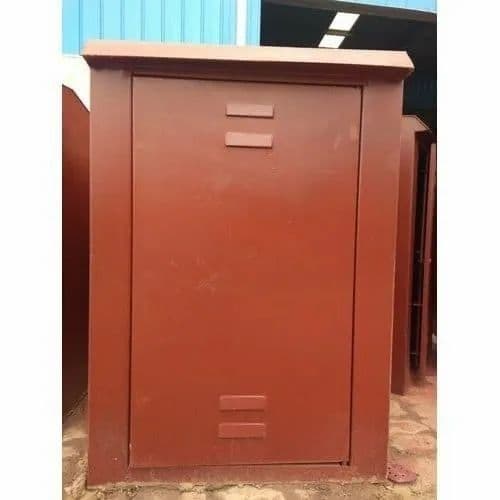
Related project requirement
Need specifications or pricing for Apparatus Case?
Share the quantity, drawing or specification and delivery location for a project-specific review.
A useful request for quotation lets every supplier price the same technical and commercial scope. In railway signalling hardware, the largest problems usually come from missing drawing revisions, unclear supply boundaries, incomplete accessories and unspecified inspection documents.
The RFQ should separate confirmed requirements from assumptions. Where design is not final, ask for a budgetary offer and identify the information that will be frozen before manufacture.
Key points
- Issue a controlled document list with revisions
- Define the complete supply boundary and accessories
- State inspection and documentation before pricing
- Use a deviation schedule so alternatives remain visible
Start with a document register
List every applicable specification, drawing and revision. Mark which document governs dimensions, materials, equipment arrangement and installation interfaces. Withdraw superseded files to prevent mixed-revision manufacture.
Define configuration and quantity
State product type, configuration, dimensions, material, finish, quantity and required spares. Attach schedules for terminals, equipment, displays or cable entries when these shape the fabricated item.
Clarify the supply boundary
List loose and fitted accessories, fasteners, locks, glands, terminals, mounting hardware, labels, earthing parts and packaging. Identify site work separately from factory supply.
Inspection, records and delivery
State the inspection authority, applicable tests, witness or hold points, certificates, drawings, packing, identification, delivery location and required schedule. Ask the supplier to price optional tests separately when needed.
Project checklist
- RFQ number and bid deadline
- Document register with revisions
- Itemised quantity and configuration
- Accessories and installation interfaces
- Inspection and test plan
- Certificates and drawing deliverables
- Packing, delivery and warranty
- Deviation and clarification schedule
Review the railway signalling product catalogue for the related Principal Vinimay product configuration and enquiry path.
For wider context, continue with the apparatus case selection guide.
Final selection rule
Use the latest approved project drawings, specifications and railway instructions as the controlling requirements. This article explains terminology and selection questions; it does not replace design approval, signalling principles or site-specific engineering.
Frequently asked questions
What is the most important attachment to a railway hardware RFQ?
Usually the controlled set of applicable drawings and specifications, accompanied by an item and configuration schedule.
How should a supplier propose an alternative?
Use a clearly identified deviation schedule showing the offered change, reason, technical effect, commercial effect and required approval.
Should inspection requirements be added after the order?
They should be defined before quotation wherever possible because testing, samples, witnessing and documentation can affect cost and schedule.
Related railway guides
From research to procurement
Discuss your Apparatus Case requirement
Send the applicable drawing or specification, quantity, project location and expected schedule. Our team will review the manufacturing and supply scope.
References and further reading
- Indian Railways Signal Engineering Manual — Chapter 8: Drawings and Specifications — Indian Railways
- Standardisation of S&T Drawings — Version Control — IRISET / Indian Railways
- Indian Railways Signal Engineering Manual — Chapter 7: Essentials of Signalling — Indian Railways
This educational material is a general overview. Project specifications, approved drawings and the latest applicable railway standards govern actual procurement, installation and maintenance.